Why Event-Driven Foot Traffic Impacts Nearby Home Values
Catherine Sawatsky | February 5, 2026
Home Value
Catherine Sawatsky | February 5, 2026
Home Value
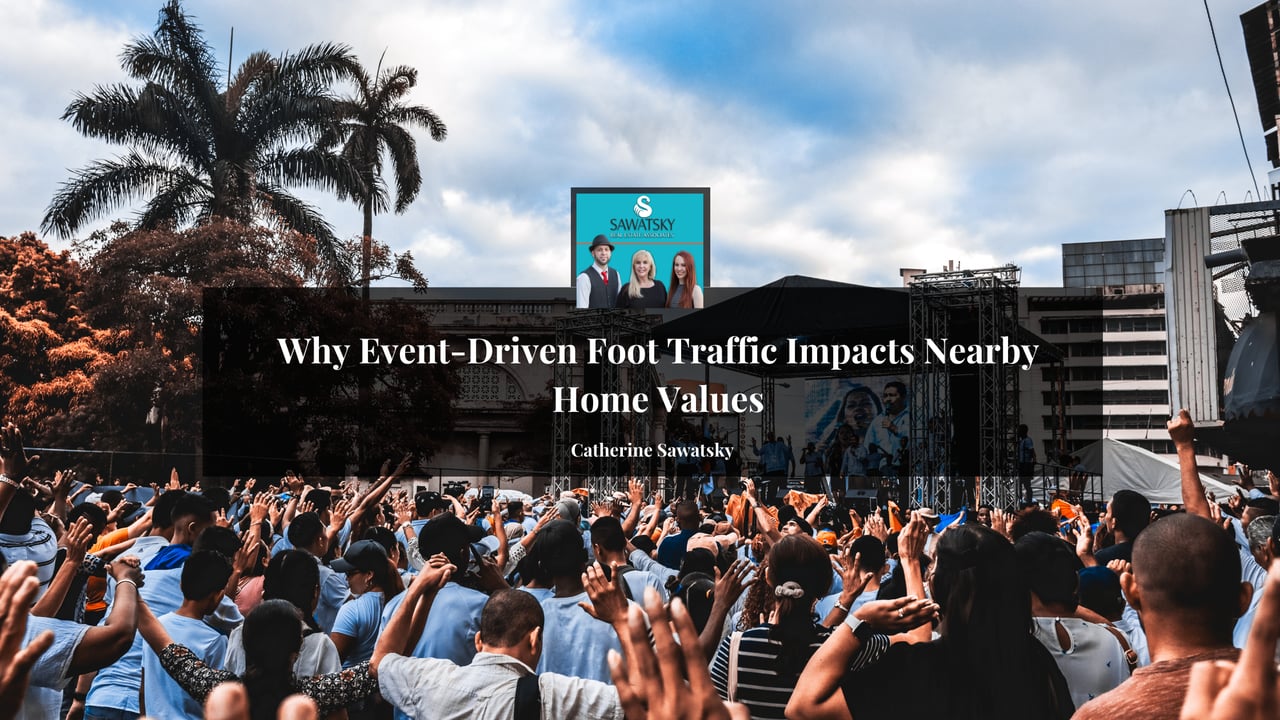
Neighborhoods near popular events — from seasonal festivals to sports arenas — often experience more foot traffic than typical residential areas. While many buyers appreciate the convenience and vibrancy these events bring, increased pedestrian and vehicle traffic can have both positive and negative effects on nearby home values. Understanding the relationship between event-driven activity and real estate is critical for both buyers and sellers in Fresno, Clovis, and surrounding areas.
High foot traffic often supports local businesses, cafés, restaurants, and retail stores. Homes in walkable, lively neighborhoods near event hubs can become more desirable because residents enjoy:
Easy access to entertainment and dining
A strong sense of community engagement
Increased convenience and lifestyle appeal
For buyers who prioritize urban amenities and walkability, proximity to events can be a significant selling point, potentially enhancing property values over time.
Not all foot traffic is beneficial. Heavy, constant pedestrian and vehicle flow can create challenges, including:
Noise and congestion during peak event hours
Limited parking for residents
Increased wear on streets and infrastructure
Buyers who fully understand traffic patterns can weigh the trade-offs between lifestyle benefits and occasional inconveniences. Homes slightly removed from the busiest corridors may achieve a balance of convenience and tranquility.
The type, frequency, and duration of events influence property perceptions. For example:
Seasonal or weekend festivals typically create temporary spikes in activity without long-term disruption
Daily or highly frequent events (like a professional sports arena) may have a bigger, more lasting impact on local traffic
Cultural or community events that draw families can enhance neighborhood perception, while nightlife-focused events may raise noise concerns
Being aware of how often and when events occur helps buyers and sellers make informed decisions about potential value impacts.
Event-driven neighborhoods often attract attention from investors, developers, and buyers seeking appreciation potential. The combination of high visibility, convenient amenities, and vibrant culture can support:
Increased rental demand
Steady or rising property values
Community revitalization projects that further enhance the area
However, over-commercialization or poorly managed traffic can have the opposite effect, underscoring the need for thoughtful planning.
For buyers, researching city planning, upcoming developments, and event schedules is crucial to gauge long-term livability and value. Sellers can highlight proximity to desirable events, walkable amenities, and local hotspots while addressing any potential traffic concerns proactively.
Balancing these factors can make a property more appealing while ensuring that lifestyle expectations align with reality.
Event-driven foot traffic is a double-edged sword for nearby homes — it can enhance lifestyle appeal, support local businesses, and boost property values, but it may also introduce noise, congestion, and parking challenges. Understanding the local market and traffic patterns is essential for both buyers and sellers. Sawatsky Real Estate Associates works closely with clients to evaluate neighborhoods affected by event activity, ensuring informed decisions that protect value while maximizing lifestyle benefits.
You’ve got questions and we can’t wait to answer them.
Stay up to date on the latest real estate trends.
Neighborhood Guides
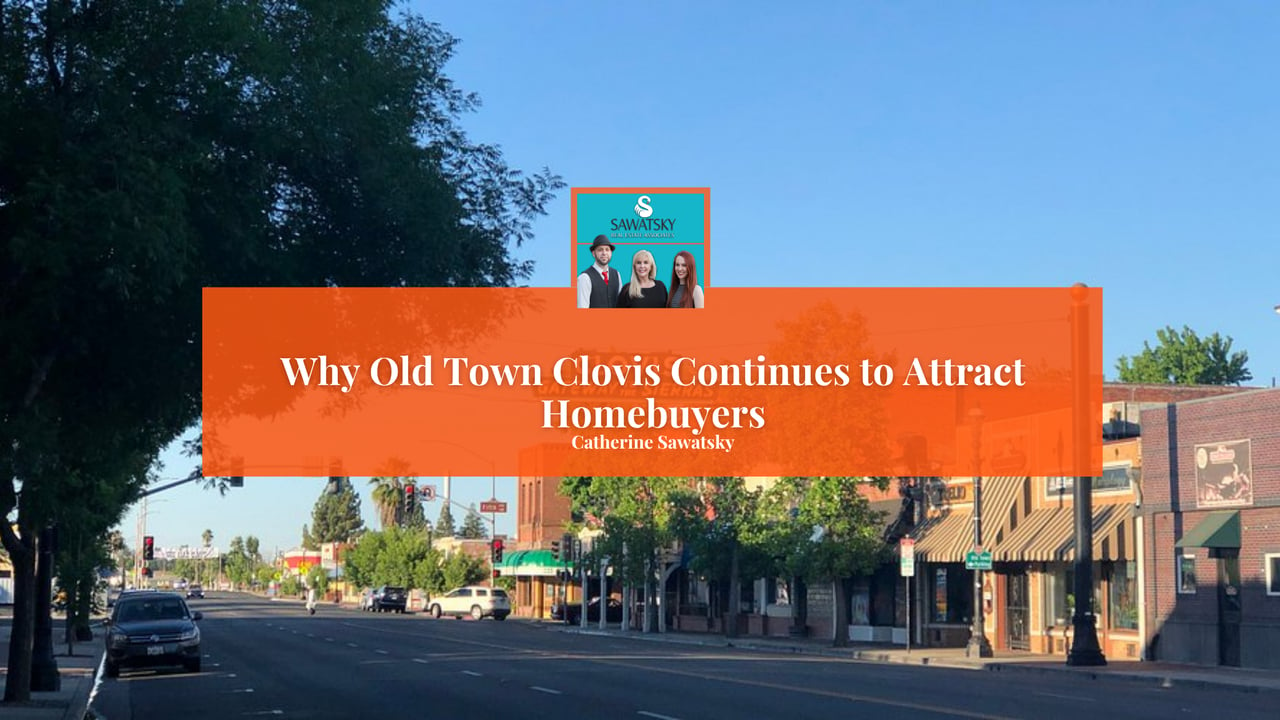
Discover the local shopping, dining, events, recreation, and community atmosphere that make Old Town Clovis appealing to homebuyers.
Lifestyle & Local Guides
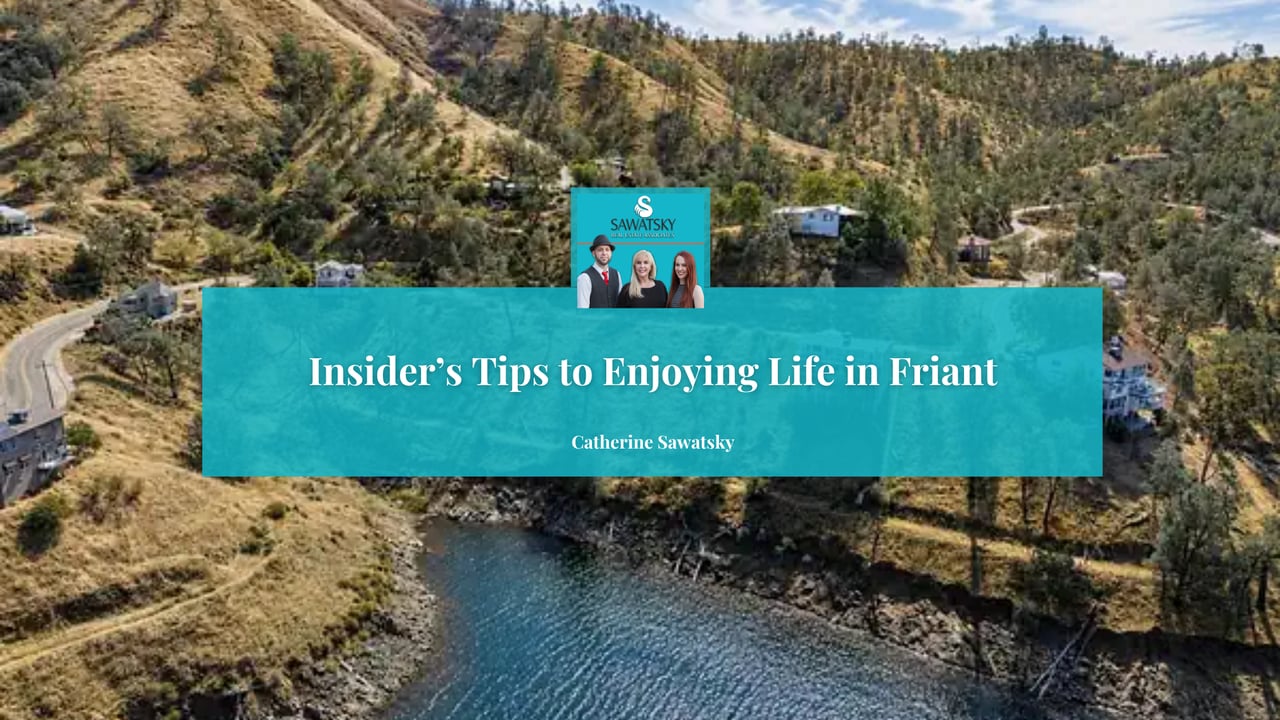
A local guide to outdoor recreation, nearby amenities, and making the most of the Friant lifestyle.

Home Buying & Neighborhood Guides
What families should know about school boundaries, transportation, neighborhood convenience, and choosing a Clovis home.
Homeowner Tips & Selling Preparation
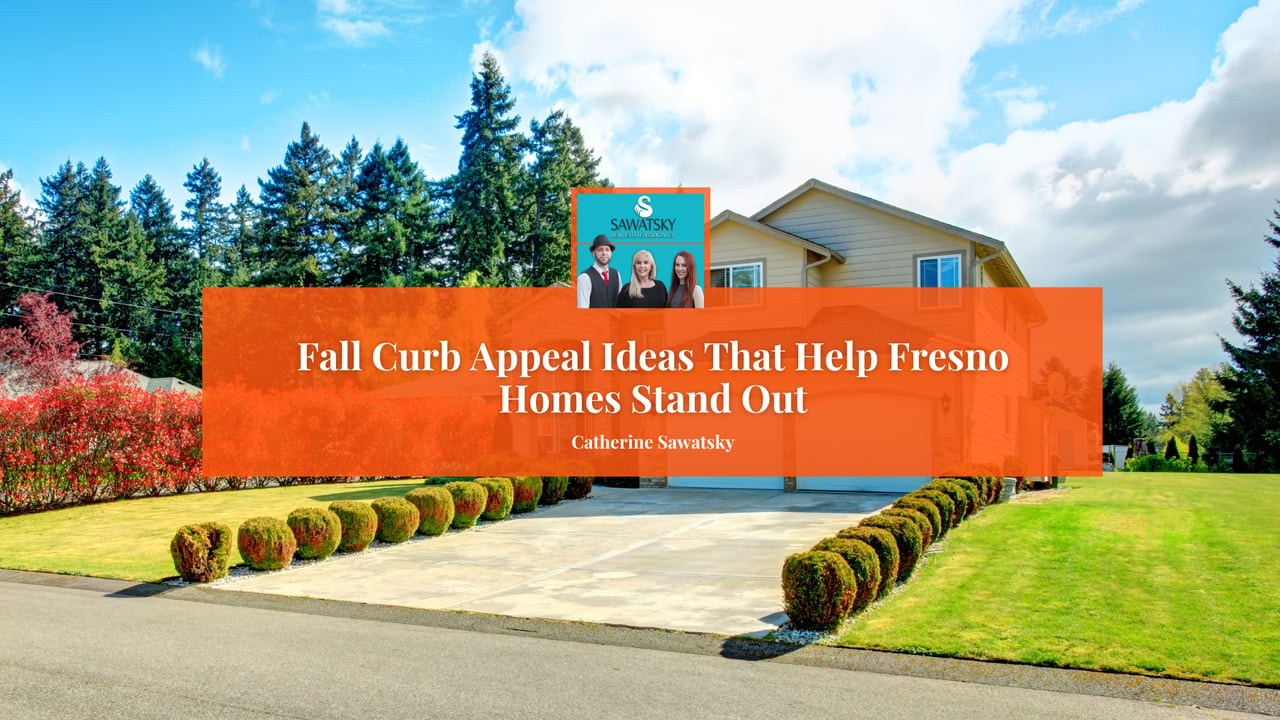
Simple fall exterior updates that can help your Fresno home look welcoming, polished, and ready for the season.
Homeownership Tips
Simple home organization ideas to help Fresno homeowners prepare for guests, holidays, and the busy season ahead.
home buyin
Why the neighborhood surrounding your Fresno home can be just as important as the property itself.

Sanger Lifestyle & Local Guides
Discover the local restaurants, cafes, Mexican food, coffee shops, and hidden gems that make Sanger's food scene worth exploring.
Homeowner Tips & Seasonal Maintenance
Simple ways to keep your Fresno home comfortable, efficient, and well maintained through every season.
Local Lifestyle & Destination Guides
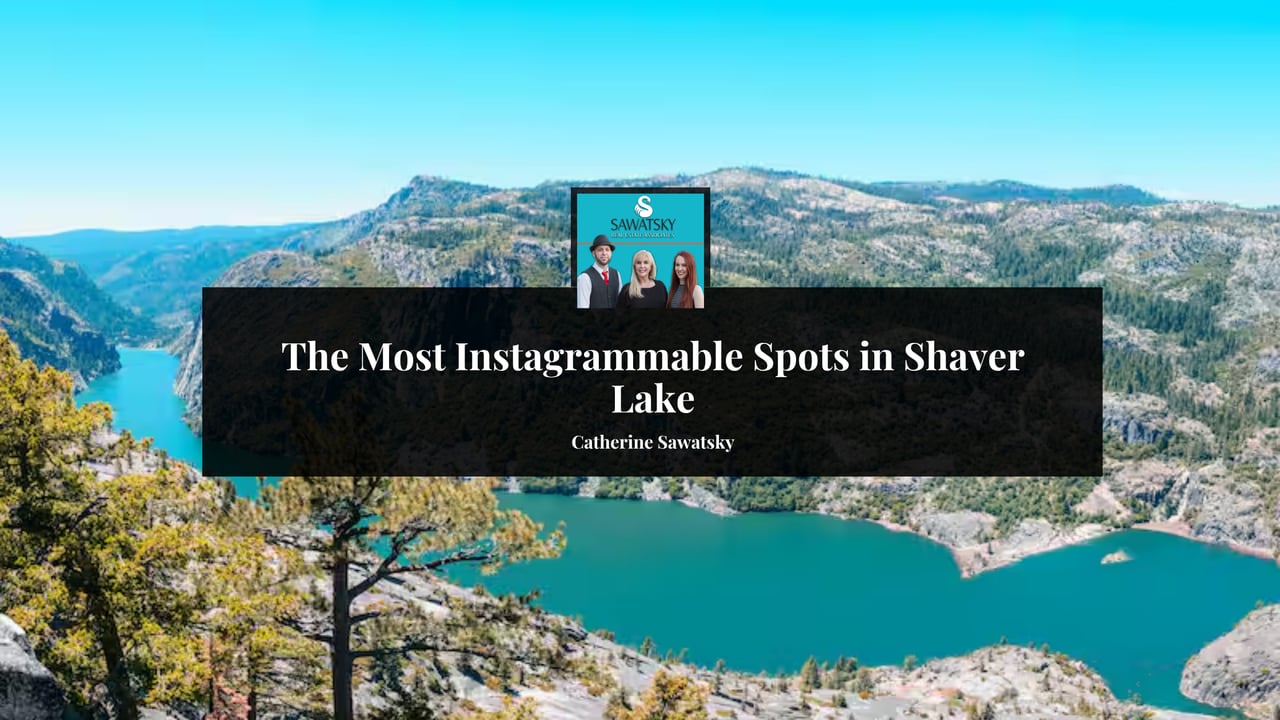
Discover the scenic viewpoints, lakefront locations, forests, and mountain landscapes that make Shaver Lake a photographer's dream.