How Property Taxes Work in Fresno County
Catherine Sawatsky | March 6, 2026
Taxes
Catherine Sawatsky | March 6, 2026
Taxes
Property taxes are one of the most important — and often misunderstood — parts of homeownership. Whether you’re buying your first home in Fresno, moving to Clovis, or investing in the Central Valley, understanding how property taxes work in Fresno County helps you budget accurately and avoid surprises.
California’s property tax system has unique rules that directly impact how much homeowners pay and how taxes change over time. Here’s what you need to know.
Property taxes in Fresno County operate under California’s Proposition 13, passed in 1978. This law sets two key rules:
Base property tax rate is approximately 1% of the assessed value.
Annual increases in assessed value are capped at 2% per year (unless the property changes ownership or undergoes major improvements).
This structure provides long-term predictability for homeowners.
When you purchase a home in Fresno County, the assessed value is typically reset to the purchase price. That becomes your new “base year value.”
For example:
If you purchase a home for $450,000, that amount becomes the assessed value.
The base tax would be roughly 1% of $450,000 = $4,500 annually (before additional assessments).
After that, the assessed value may increase up to 2% per year, even if market values rise more significantly.
While the base rate is around 1%, most homeowners pay slightly more due to voter-approved local bonds and special assessments. These can include:
School district bonds
Infrastructure improvements
Community facilities districts (CFDs or Mello-Roos in some areas)
This is why total effective tax rates often range between 1.1% to 1.3%, depending on the neighborhood.
In newer developments — particularly in growing areas of Clovis or North Fresno — additional assessments may be higher due to infrastructure funding.
One surprise many new homeowners encounter is a supplemental tax bill.
Because taxes are reassessed when a property changes ownership, the county may issue a supplemental bill to account for the difference between the previous owner’s assessed value and the new purchase price.
This is a one-time adjustment and is separate from your regular annual property tax bill.
In Fresno County, property taxes are paid in two installments:
First installment: Due November 1 (delinquent after December 10)
Second installment: Due February 1 (delinquent after April 10)
Most buyers with mortgages pay property taxes through an escrow account, meaning the lender collects monthly payments and pays the county on your behalf.
Refinancing does not trigger a reassessment under Proposition 13. Only a change in ownership or significant new construction can reset your property’s assessed value.
When evaluating affordability, buyers should consider:
Estimated annual tax rate for the specific neighborhood
Whether the property is located in a special tax district
Long-term tax predictability under Prop 13
Potential supplemental tax obligations
Understanding these factors ensures accurate budgeting and avoids closing surprises.
If you believe your assessed value is too high relative to market conditions, Fresno County allows homeowners to file an appeal during a specific window each year. This is more common during market downturns when values decline.
Property taxes in Fresno County are structured for stability, thanks to Proposition 13 — but local assessments, supplemental bills, and neighborhood-specific bonds can impact your total tax obligation. Understanding how your taxes are calculated allows you to plan confidently and evaluate true ownership costs.
If you’re buying, selling, or investing in Fresno, Clovis, or the surrounding Central Valley, Sawatsky Real Estate Associates helps clients analyze total ownership expenses — including property taxes — so you can make informed, strategic decisions with no surprises.
You’ve got questions and we can’t wait to answer them.
Stay up to date on the latest real estate trends.
Neighborhood Guides
A family-friendly guide to school districts, early education, libraries, and learning opportunities in North Fresno.
Lifestyle & Neighborhood Guides
A practical guide to driving, public transportation, and everyday travel from Van Ness Boulevard.
Lifestyle & Local Attractions
Explore lakes, mountain scenery, national parks, and charming local destinations just a drive from Woodward Park.
Lifestyle & Neighborhood Guides
A local guide to healthcare, fitness, outdoor recreation, and everyday wellness in Copper River.
Home Buying & Selling Guides
A step-by-step guide to what happens after a Fresno home goes under contract.
Home Buying & Selling Strategy
How Clovis homeowners can coordinate their next purchase and current home sale with a practical plan.

Lifestyle & Local Guides
Your local guide to seasonal lattes, creative fall drinks, and cozy coffee stops in Fresno and Clovis.
Home Selling & Staging
Simple seasonal decorating tips to keep your home festive, welcoming, and ready for fall showings.
Lifestyle & Local Attractions
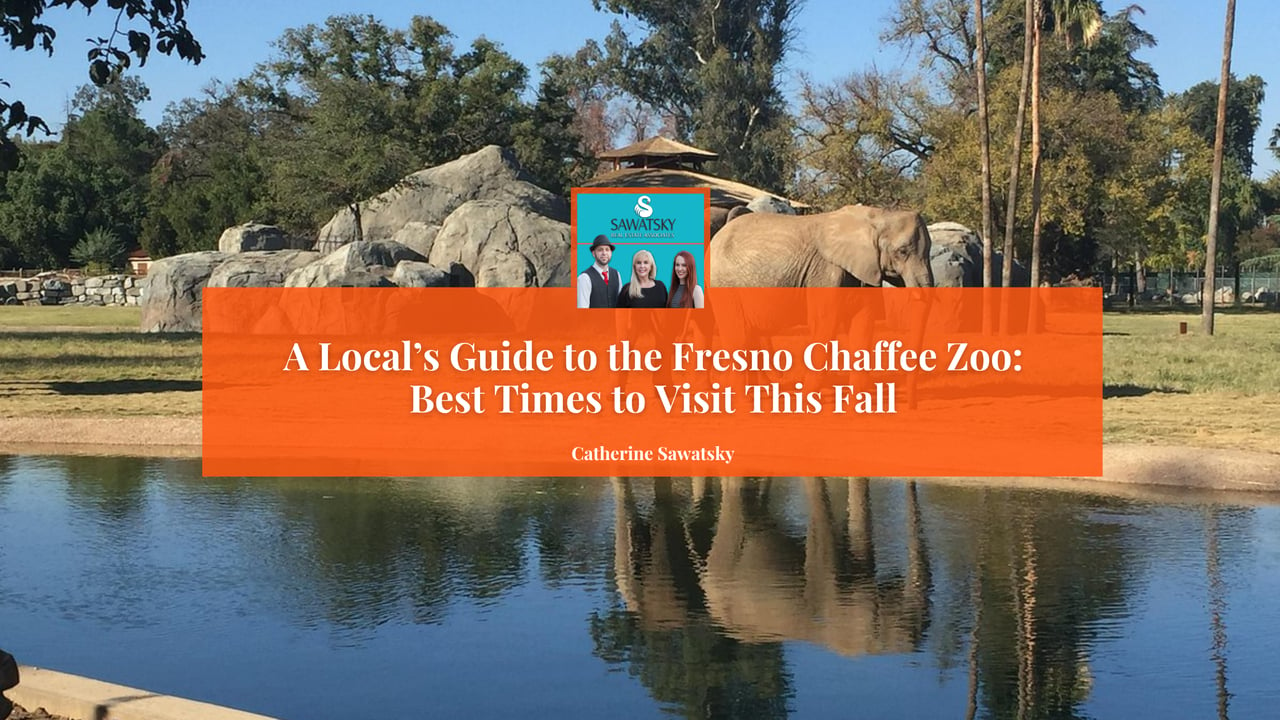
A local guide to enjoying cooler weather, animal encounters, and a fun fall day at the Fresno Chaffee Zoo.