Buying a Home With Solar Panels in Fresno: What Should You Check First?
Catherine Sawatsky | November 3, 2026
Home Buying Guides & Energy-Efficient Homes
Catherine Sawatsky | November 3, 2026
Home Buying Guides & Energy-Efficient Homes
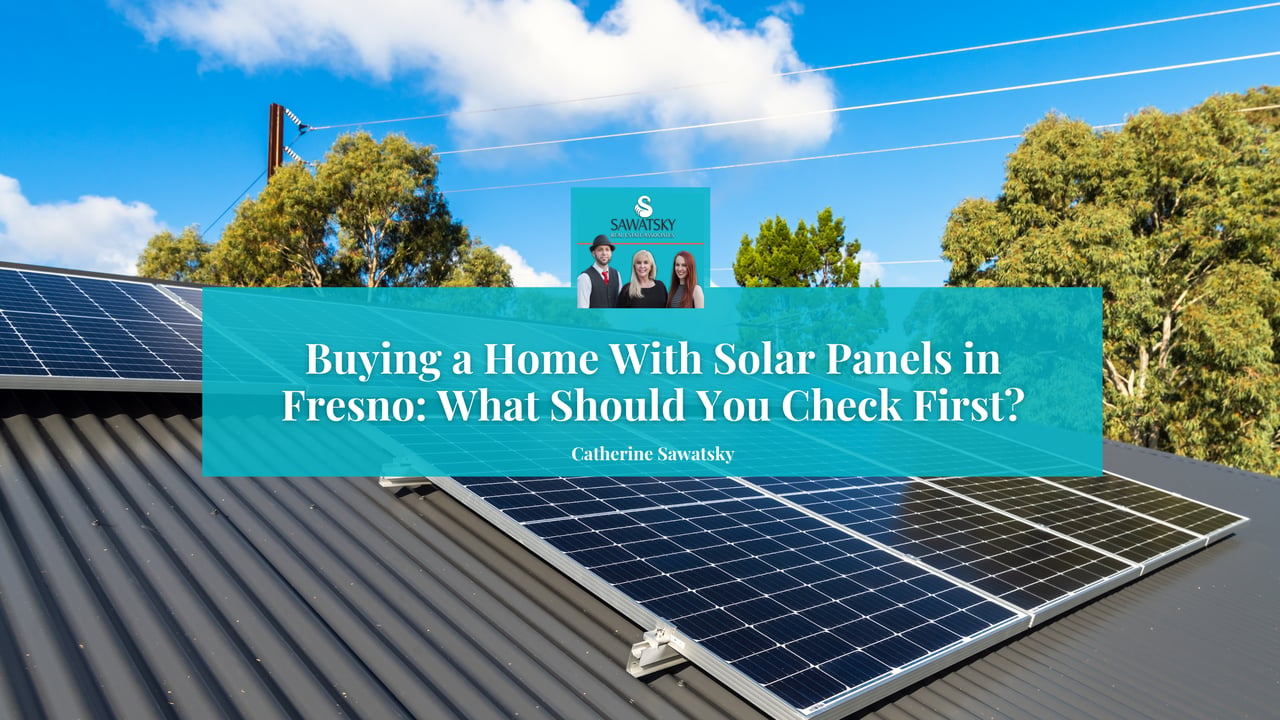
With Fresno's long, sunny summers and frequent air-conditioning use, solar panels can be an attractive feature when shopping for a home. A property with an existing solar system may offer an opportunity to manage electricity costs while enjoying the benefits of renewable energy.
But here's something buyers should understand: not all solar systems are owned outright, and not every solar-equipped home comes with the same financial benefits.
Some systems are fully paid for, while others have outstanding loans, leases, or power purchase agreements (PPAs). There may also be transfer requirements, equipment warranties, roof concerns, and utility billing arrangements to consider.
Before getting excited about a home simply because it has solar panels, take time to understand what you're actually purchasing.
Here are the most important things Fresno homebuyers should check first.
This should be your first question because ownership determines what responsibilities and payments may come with the system.
A solar-equipped home generally falls into one of these categories:
Fully owned solar: The seller purchased the system outright, and there is no remaining solar loan or third-party agreement. This is usually the simplest arrangement for a buyer, although equipment condition and warranties still need to be reviewed.
Solar loan: The seller financed the installation and may still owe money. Ask for the outstanding balance and determine whether the loan will be paid off at closing or whether another arrangement is being proposed.
Solar lease: A solar company owns the equipment, and the homeowner makes payments under a long-term agreement. You may need to qualify for and assume the remaining lease.
Power purchase agreement (PPA): A third-party company owns the system, and the homeowner pays for the electricity it produces under an agreed-upon rate.
Don't rely only on the seller's description. Request the original agreement, payment information, and documentation confirming ownership.
If the panels are leased or financed, the monthly payment needs to be part of your homeownership budget.
Ask for the complete agreement and review:
A solar lease that looks affordable today may include scheduled payment increases. A PPA may charge a different rate depending on the electricity produced.
Also ask whether the solar provider requires a credit check or approval before transferring the agreement to a new homeowner.
If you don't want to assume the agreement, find out whether the seller can pay off or buy out the system before closing. Have the escrow and title professionals review any related payoff or lien-release requirements.
The goal is to avoid discovering after your offer is accepted that the solar arrangement creates a financial obligation you didn't plan for.
In much of Fresno, homeowners receive electricity service from PG&E. However, always confirm the specific utility provider for the property you're considering.
Ask the seller for at least 12 months of electricity bills, if available. A single bill won't necessarily show how the system performs throughout Fresno's hot summers and cooler months.
Look for:
California's solar billing rules have changed. Systems interconnected under older Net Energy Metering (NEM) arrangements may have different export-credit structures from newer systems under the Net Billing Tariff, also called the Solar Billing Plan.
This distinction matters because the value of excess electricity sent back to the grid can affect the home's overall energy costs.
Ask for the system's interconnection approval documentation and confirm its applicable billing arrangement with the utility. Don't assume that the seller's existing credits or billing benefits will automatically carry over unchanged after a sale.
For more information, review the California Public Utilities Commission's Net Energy Metering and Net Billing information.
A house can have plenty of panels on the roof without necessarily producing the amount of electricity you expect.
Ask the seller for the system's specifications and production history. If monitoring software is available, request access or reports showing actual energy generation.
Important details include:
A qualified solar professional can evaluate whether the equipment is operating properly and identify potential concerns.
Pay particular attention to the inverter. Depending on the equipment type and age, it may require replacement before the solar panels reach the end of their useful life.
If the home includes a battery, ask about its usable capacity, age, operating condition, warranty, and whether it is owned or financed separately.
The U.S. Department of Energy offers helpful guidance in its Consumer's Guide to Buying a House With Solar Panels.
This is especially important when buying an older Fresno home with solar panels.
Solar panels can remain in service for many years, but the roof underneath them may need repairs or replacement sooner.
Before closing, find out:
If the roof is nearing the end of its expected life, you could eventually face the added expense of having panels removed, the roof replaced, and the solar system reinstalled.
Consider a professional roof inspection along with a solar evaluation. These are separate concerns, and one inspection may not fully address both.
A properly documented solar installation gives buyers a clearer picture of the system and its history.
Ask the seller for copies of:
Check whether warranties can be transferred to you and whether the manufacturer or installer requires registration or other steps.
If the original installer is no longer operating, identify the manufacturers of the equipment and ask whether qualified service providers can inspect or maintain it.
These records can also help if you need repairs or decide to sell the home later.
Not every solar financing arrangement works the same way, and some can involve recorded documents or property-related obligations.
For example, certain Property Assessed Clean Energy (PACE) financing arrangements are repaid through property tax assessments. These should be identified and carefully reviewed because they can affect the property's ongoing costs and the transaction.
Ask the title company to identify any recorded solar-related liens, financing documents, or assessments. If there is an outstanding loan, request written payoff information and confirmation of what must happen to release any applicable lien.
Don't assume that the solar panels are completely paid for just because the seller says there is no monthly solar payment.
Reviewing the title report and supporting documents can help prevent unexpected obligations from carrying into your ownership.
Solar panels can make a Fresno property more appealing, especially to buyers who want to manage electricity expenses. However, their presence doesn't automatically mean the home's value increases by the original installation cost.
Factors that can influence how buyers and appraisers view the system include:
A fully owned, well-maintained system may be viewed differently from an older system with an outstanding loan or a lease that requires additional monthly payments.
For a deeper look at this topic, read our article, The Impact of Solar Panels on Fresno Home Appraisals: Are They Worth the Investment?.
Your Fresno Solar Homebuyer Checklist
Before moving forward with a solar-equipped property, make sure you have answers to these questions:
Getting these answers during your due diligence period gives you a better understanding of the home's actual costs and helps you make an informed decision.
Buying a home with solar panels in Fresno can be a smart move, but the system should be evaluated just like any other major feature of the property.
Look beyond the number of panels on the roof. Understand who owns them, what payments may remain, how much electricity the system produces, and whether the equipment and roof are in good condition.
At Sawatsky Real Estate Associates - Cygnus Estates, we believe informed buyers make more confident decisions. When you're considering a home in Fresno, Clovis, or anywhere in the Central Valley, understanding the property's features, financial obligations, and long-term maintenance needs is an important part of finding the right fit.
Thinking about buying a home with solar? Connect with Catherine Sawatsky and the team at Homes by Cygnus for guidance as you navigate your next move.
Real Estate Your Way, With Every Move.
You’ve got questions and we can’t wait to answer them.
Stay up to date on the latest real estate trends.

Homebuying guide
A practical Fresno homebuyer's guide to pool condition, ongoing expenses, safety features, and insurance considerations.

Homebuyer Education
A practical guide to understanding listing details, comparing homes, and knowing which property information to verify before buying in Fresno or Clovis.
Home Buying Guides
A practical guide to special taxes, community facilities districts, and additional property charges that can affect your California homebuying budget.

Home Buying Guides
A California homebuyer's guide to regular property taxes, supplemental bills, Proposition 13, and what to expect after purchasing a home.
Home Buying Guides & Energy-Efficient Homes
A practical Fresno homebuyer’s guide to understanding solar ownership, contracts, energy savings, and potential costs before making an offer.

neighborhood gudelines
From peaceful lakeside picnics to foothill trails and beautiful Central Valley sunsets, discover ways to enjoy the outdoors near Brighton Crest.
Lifestyle & Neighborhood Guides
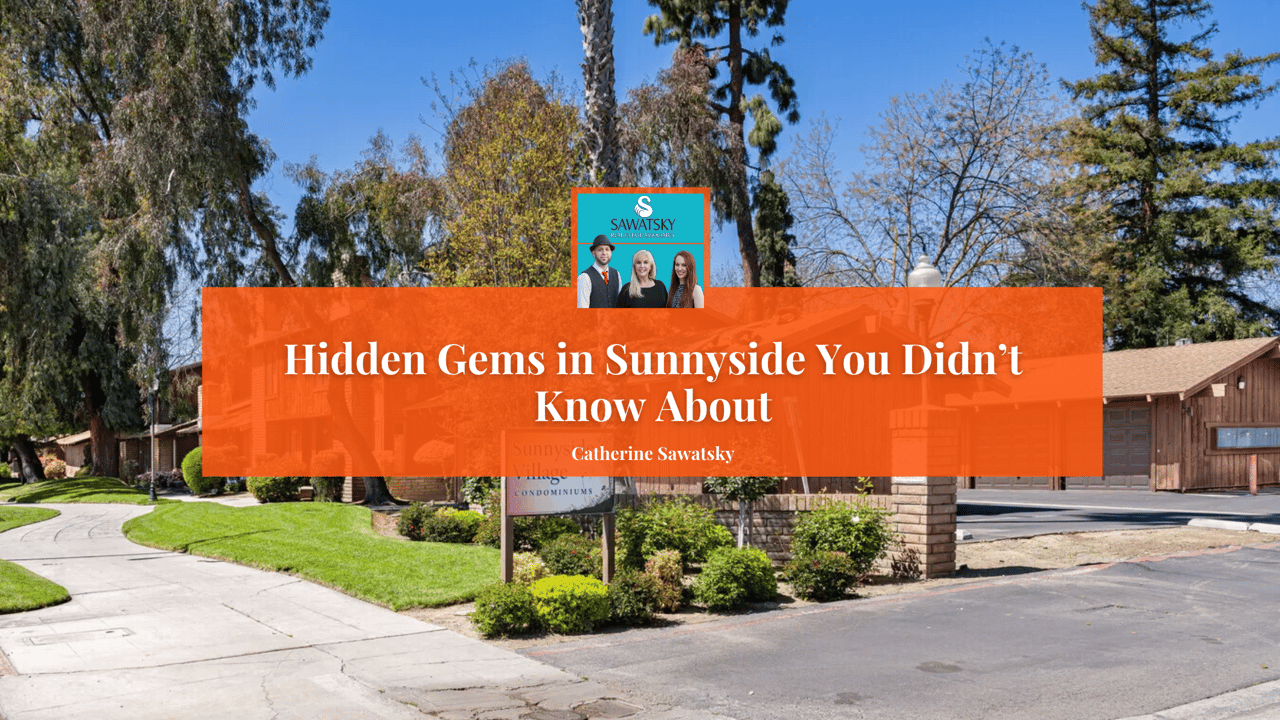
Explore the quiet trails, historic streets, neighborhood favorites, and local experiences that make Sunnyside a special part of southeast Fresno.

Neighborhoods & Retirement Living
Discover how Madera's senior programs, outdoor spaces, healthcare resources, and community connections can support an active retirement.
Lifestyle & Neighborhood Guides
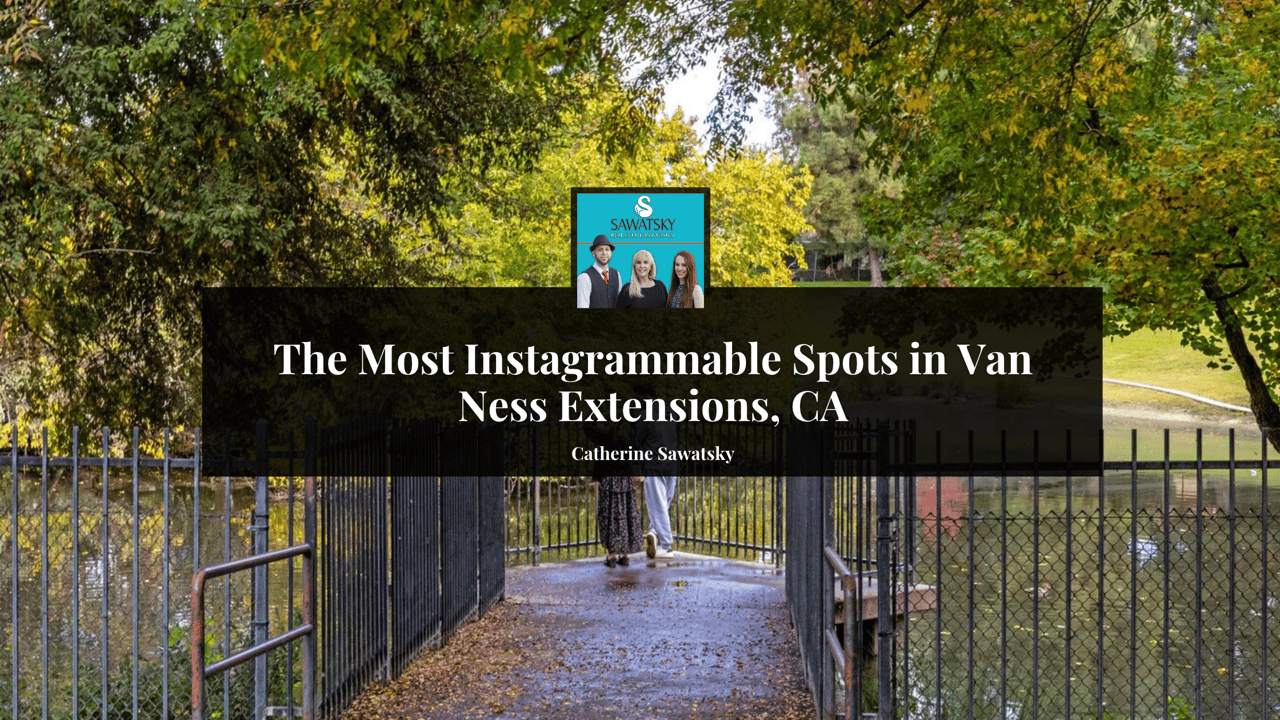
A local guide to scenic streets, colorful murals, gardens, and photo-worthy places around Van Ness Extensions.